
Hybrid VRF (HVRF) indoor units are designed to connect with a Hydro Branch Controller (HBC) in a HVRF System. HVRF indoor units connect to the HBC using water a medium of heat exchange instead of refrigerant. Current line-up of indoor units includes low and medium static ducted, 4-way air flow ceiling cassette and floor console models.
Need help choosing?
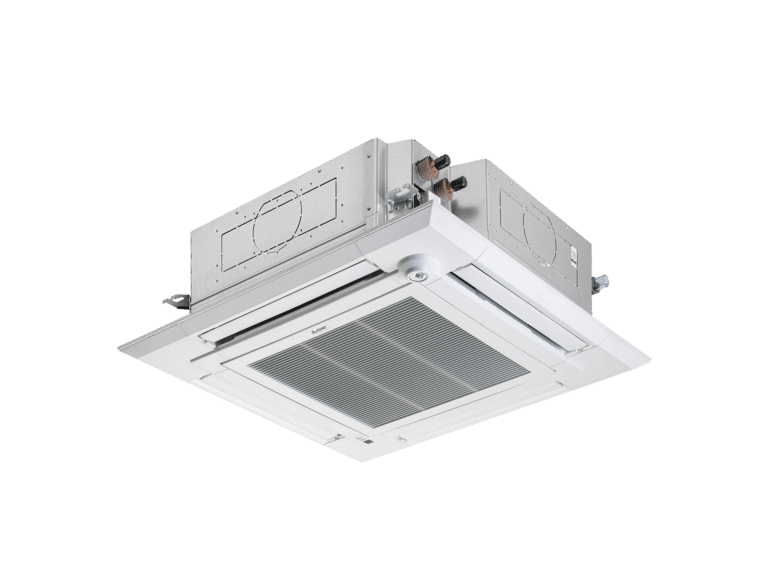
PLFY-WL20-125VEM-E
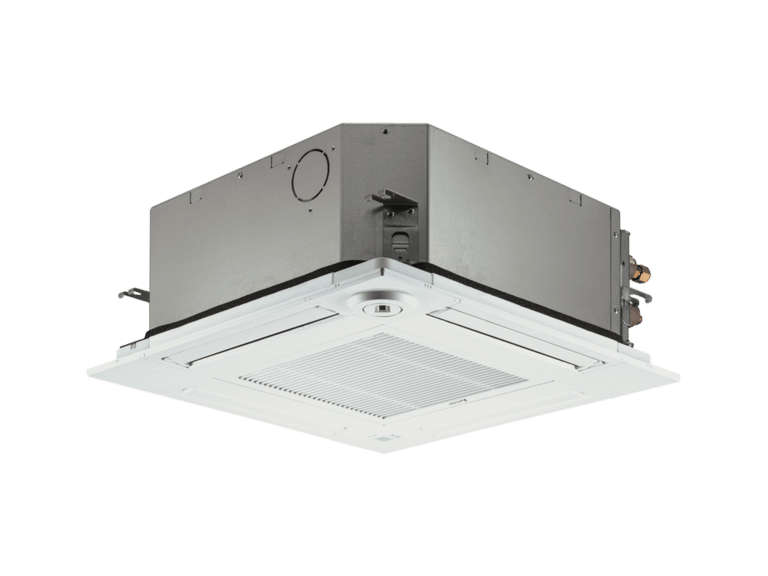
PLFY-WL10-40VFM-E
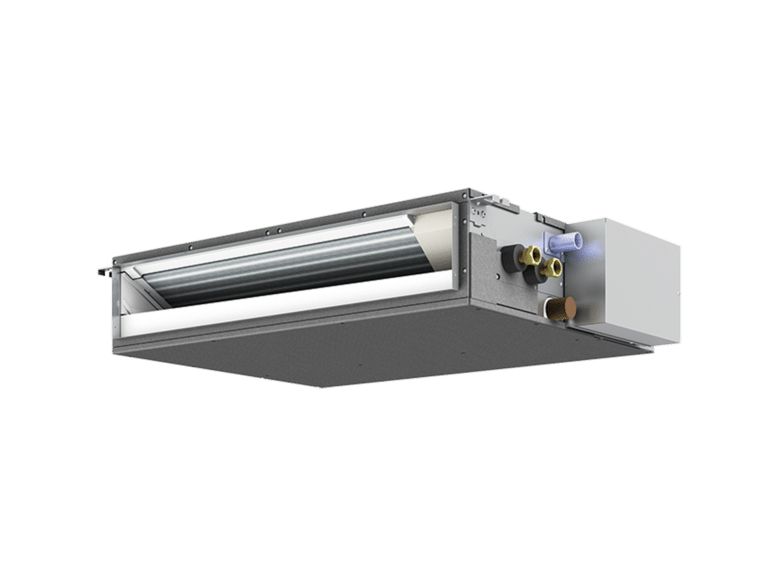
PEFY-WP10-50VMS1-E
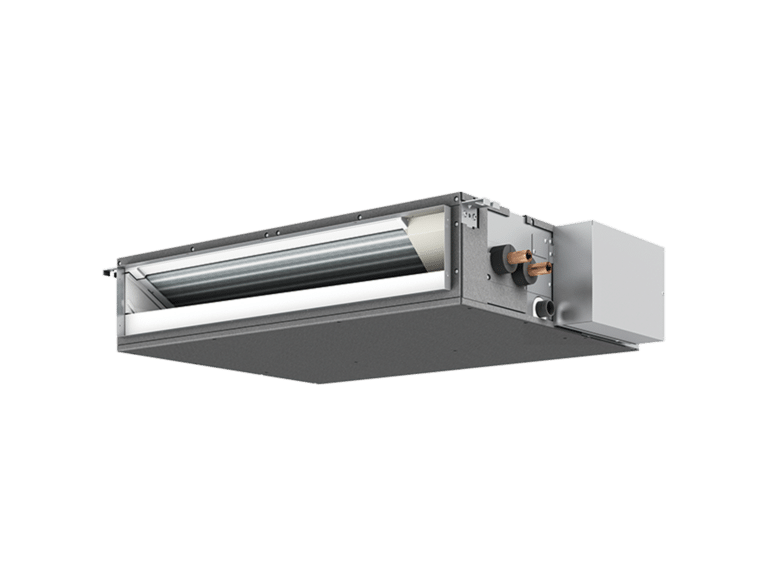
PEFY-W10-50VMS-A
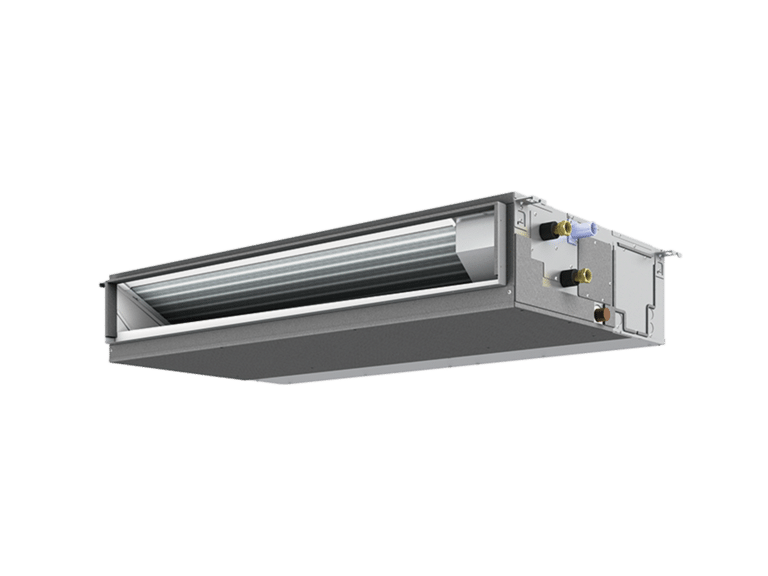
PEFY-WP20-125VMA-E
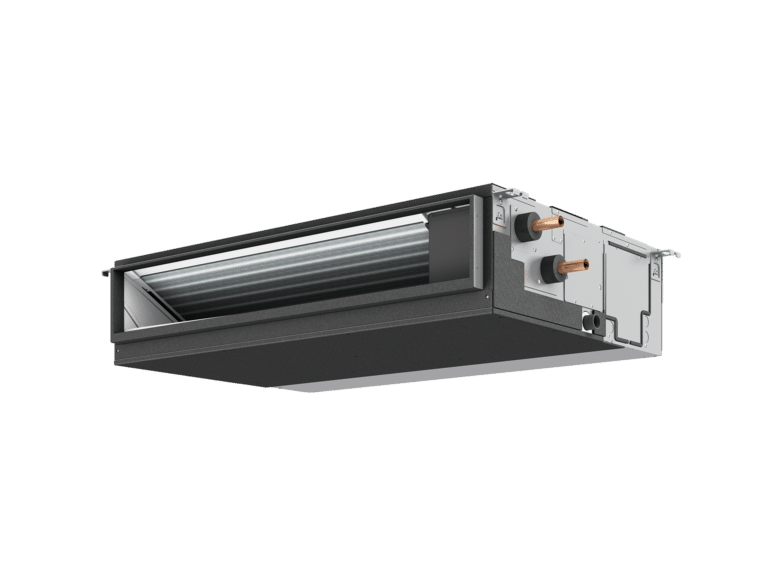
PEFY-W20-125VMA(L)-A
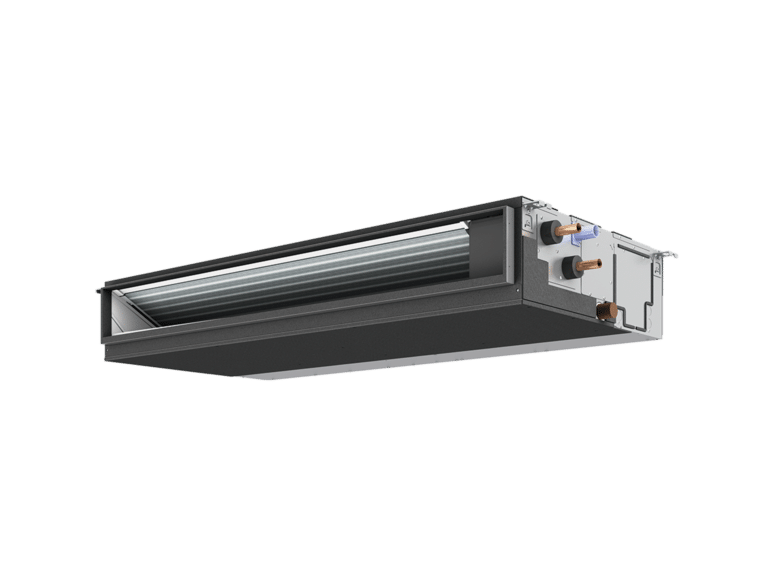
PEFY-W20-125VMA2-A
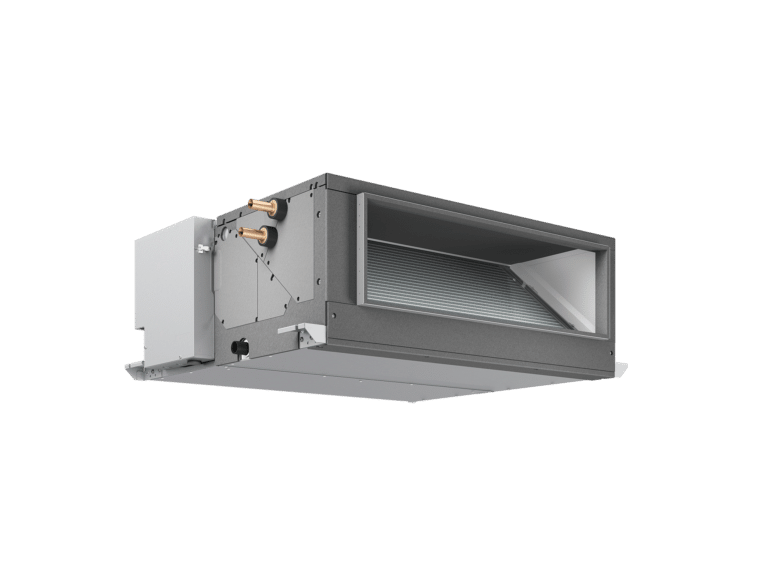
PEFY-WL40-125VMHS-A
City Multi Hybrid VRF indoor units connect to the Hybrid Branch Controller (HBC) using water as the heat transfer medium, eliminating refrigerant from occupied spaces. Our comprehensive range, from ceiling cassettes and ducted systems to wall-mounted and floor console models, delivers flexible solutions for offices, hotels, retail, healthcare facilities, and heritage buildings. Some of the benefits of Hybrid City Multi VRF air conditioning include:
Mitsubishi Electric City Multi Hybrid VRF is an industry-first technology that revolutionises VRF systems by combining the benefits of both VRF and chilled water systems. This innovative approach transfers the refrigerant between the outdoor unit, the HBC, and water for indoor distribution. This creates a unique two-pipe hybrid system that sets new standards for comfort, safety, and efficiency in building climate control.
The system’s distinctive design eliminates refrigerant from occupied spaces by using water between the HBC and indoor units, ensuring full compliance with AS/NZS 5149 standards. Removing the need for refrigerant leak detection systems makes it particularly suitable for sensitive applications such as healthcare facilities, schools, and hotels, where occupant safety and regulatory compliance are critical.
Available in both air-cooled and water-cooled configurations, with R410A or R32 refrigerant options, the system delivers exceptional energy efficiency through heat recovery during simultaneous cooling and heating operations. The water-based distribution system provides naturally stable temperatures and milder off-coil temperatures, ensuring consistent comfort across all zones while simplifying installation compared to traditional 4-pipe systems. Comprehensive control options, including centralised building management systems and individual controllers, enable optimised application performance.
Ideal for air conditioning rooms with limited wall, floor and ceiling space, this ceiling cassette air conditioner has a capacity range of 2.2 – 14 kW, providing comfort to residential and commercial spaces alike.
Benefits:
With a whisper-quiet operation, it’s ideal for master bedrooms, living rooms, and other single-room residential or commercial uses. This indoor unit is designed for simple, quick, and cost-efficient.
Features:
The PLFY-WL-VEM-E boasts a range of unique features that ensure comfort and convenience. Some include:
With compact dimensions of 600 mm x 600 mm and a slim profile of 245 mm in height, the PLFY-WL VFM-E series is designed to fit seamlessly into 2 x 2 ceiling construction specifications. Maintaining a compact size, this HVRF air conditioning indoor unit has a capacity range of 1.2 – 4.5 kW, providing options for commercial spaces, including office and restaurant environments.
Benefits:
Thanks to its design, the PLFY-WL VFM-E ensures flexible, cost-efficient and easy installation even in narrow ceiling spaces. Equipped with the latest cooling and heating technologies, you can customise the airflow of this ceiling cassette air conditioner to enhance comfort and minimise cold drafts.
Features:
Some of the PLFY-WL VFM-E’s features include:
Perfect for hotels and spaces requiring discreet air conditioning solutions, this low static pressure ceiling concealed unit combines a slim design with quiet operation. Available in capacities up to 5.6 kW.
Benefits:
With a centrifugal fan and coil design, the unit has an ultra-quiet operation, ranging from 22 dB with low airflow to 35 dB at low speed. Its compact profile, with a height of 200 mm, makes it easy to install in a ceiling with limited space, a bulkhead, or a small cavity.
Features:
This ceiling concealed low static unit is ideal for many commercial spaces, thanks to the following features:
The slim 200 mm height profile is consistent across all models (from 1.2 – 5.6 kW capacities), enabling easy installation in tight ceiling spaces or bulkheads. It is suitable for an array of spaces, such as offices, hotel rooms and bedrooms.
Benefits:
Carefully designed for comfort and convenience, this ducted air conditioner is ideal for areas where ultra-quiet operation and minimal ceiling space are priorities. The unit operates at a noise level as low as 22dB at a low fan speed.
Features:
The PEFY-W VMS-A includes the following features:
Medium static pressure ceiling concealed units are designed for applications requiring greater external static pressure and flexible installation options. They are available in two variants: models with built-in drain pumps (VMA-E) and models without drain pumps (VMAL-E) for greater piping layout flexibility.
Benefits:
The consistent 250mm height profile across all models (capacities ranging from 2.2 – 14 kW) allows for installation in restricted ceiling spaces, providing options for residential and commercial buildings where maximising space is important.
Features:
This ducted air conditioner includes the following features:
High-efficiency medium static pressure ceiling-concealed units are designed for applications requiring greater external static pressure and adaptable installation. They are available in two variants:
Benefits:
The consistent 250mm height profile across all models (capacities ranging from 2.2 – 14 kW) allows for easy and cost-effective installation in commercial and residential areas with restricted ceiling spaces.
Features:
The PEFY-W-VMA(L)-A features:
The medium static pressure ducted air conditioner is available in two variants. For greater piping layout flexibility, you can select from models with built-in drain pumps (VMA2-A) or models without drain pumps (VMA2L-A).
Benefits:
The units maintain a consistent 250 mm height profile across all models (2.2 – 14 kW capacities), enabling installation in restricted ceiling spaces while providing flexible operation to a space’s unique requirements.
Features:
The PEFY-W-VMA2-A includes the following features:
This unit is designed for projects requiring powerful, adaptable ducted air conditioning systems that suit diverse architectural layouts and performance needs.
Benefits:
With an extended capacity range of 4.5 – 14 kW, the PEFY-WL-VMHS-A has a flexible duct design, ensuring it can be customised to suit the varying demands of commercial spaces. DC fan motors assist in improving energy efficiency compared to AC fan models.
Features:
This high static pressure ducted air conditioner is designed with:
Designed for residential and small commercial applications, including homes, offices, restaurants, and schools, the wall mounted air conditioner is available in a range of capacities (1.2 – 4.5 kW), suitable for various space sizes, from single rooms to larger open-plan areas.
Benefits:
Seamlessly integrating with City Multi VRF control and monitoring systems while complementing modern interiors, this wall mounted indoor unit is versatile and ideal for spaces where duct installation or ceiling space is limited or unavailable.
Features:
The PKFY-WL VLM-E includes the following features:
This high-capacity wall-mounted unit is one of our largest models of this type, with outputs ranging from 5.6 to 9 kW and is designed for larger spaces requiring powerful air conditioning. It is ideal for open-plan areas such as classrooms and restaurants where significant cooling and heating capacity is required.
Benefits:
It features a stylish design that complements modern interiors while seamlessly integrating with City Multi VRF control systems. It is engineered to provide advanced performance and energy efficiency for commercial and institutional applications.
Features:
Some of the features of the wall mounted air conditioner include:
This versatile floor console unit is designed for efficient perimeter zone air conditioning. With compact dimensions (200 mm deep, 700 mm wide, 615 mm high) and detachable legs (690mm high), it’s suitable for direct floor mounting or concealed installation behind walls, joinery cupboards, or perimeter bulkheads.
Benefits:
Offering flexible installation options, the design of the PFFY-W-VCM-A allows for unobstructed delivery of efficient air conditioning while maintaining interior design aesthetics.
Features:
The floor console air conditioner includes the following:
This versatile floor console unit is designed for effective perimeter zone air conditioning. With a slim 217 mm depth profile and robust construction, it’s suitable for both floor and wall mounting with water pipe connections from either bottom or rear. Available in clear white and pearl grey finishes.
Benefits:
Perfect for heritage listed buildings and applications where ceiling voids are unavailable and wall modifications are not permitted. The design allows water connections and electrical work to run under the floor, preserving architectural integrity while delivering whisper-quiet operation ideal for offices, retail spaces, high-end residential properties, and hospitals.
Features:
The floor console air conditioner includes the following:
Residential and commercial air conditioners are built to meet the specific needs of their intended spaces. This means they vary in construction since commercial spaces typically require more advanced technologies to suit their larger and more complex floor plans, increased occupancy and control requirements. Some key differences include:
In healthcare facilities where comfort, safety and air quality are priorities, a reliable, efficient air conditioning system is essential. The City Multi Hybrid VRF system eliminates refrigerant from occupied spaces by using water between the HBC and indoor units, ensuring compliance with AS/NZS 5149 standards without requiring leak detection systems.
The water-based secondary circuit provides naturally stable temperatures throughout the year with milder off-coil temperatures, maintaining consistent comfort across different zones.
The selection of heat recovery models allows for operation that reduces energy consumption during simultaneous cooling and heating, compared to heat pump models, helping to lower operational costs for facilities requiring 24/7 climate control.
Learn more about the air solutions for healthcare facilities and how City Multi Hybrid VRF air conditioning will benefit their individual needs.
Yes. HVRF indoor units using heat recovery outdoor units deliver optimal energy efficiency thanks to simultaneous heating and cooling operations. The system reduces power consumption by recovering heat during operation, with energy savings increasing as simultaneous heating and cooling becomes more frequent.
VRF (Variable Refrigerant Flow) air conditioning uses refrigerant throughout the entire system. In VRF systems, refrigerant flows from the outdoor unit through a BC Controller to the indoor units.
HVRF (Hybrid Variable Refrigerant Flow) uses a dual-circuit approach: refrigerant circulates between the outdoor unit and the Hybrid Branch Controller (HBC), while water circulates between the HBC and indoor units. This hybrid design eliminates refrigerant from occupied spaces while maintaining the performance benefits of VRF technology.
Hybrid VRF indoor air conditioners are available from Mitsubishi Electric Diamond Dealers in Australia. Contact us with your project requirements.